Estádio de São Luís: The Heart of Faro
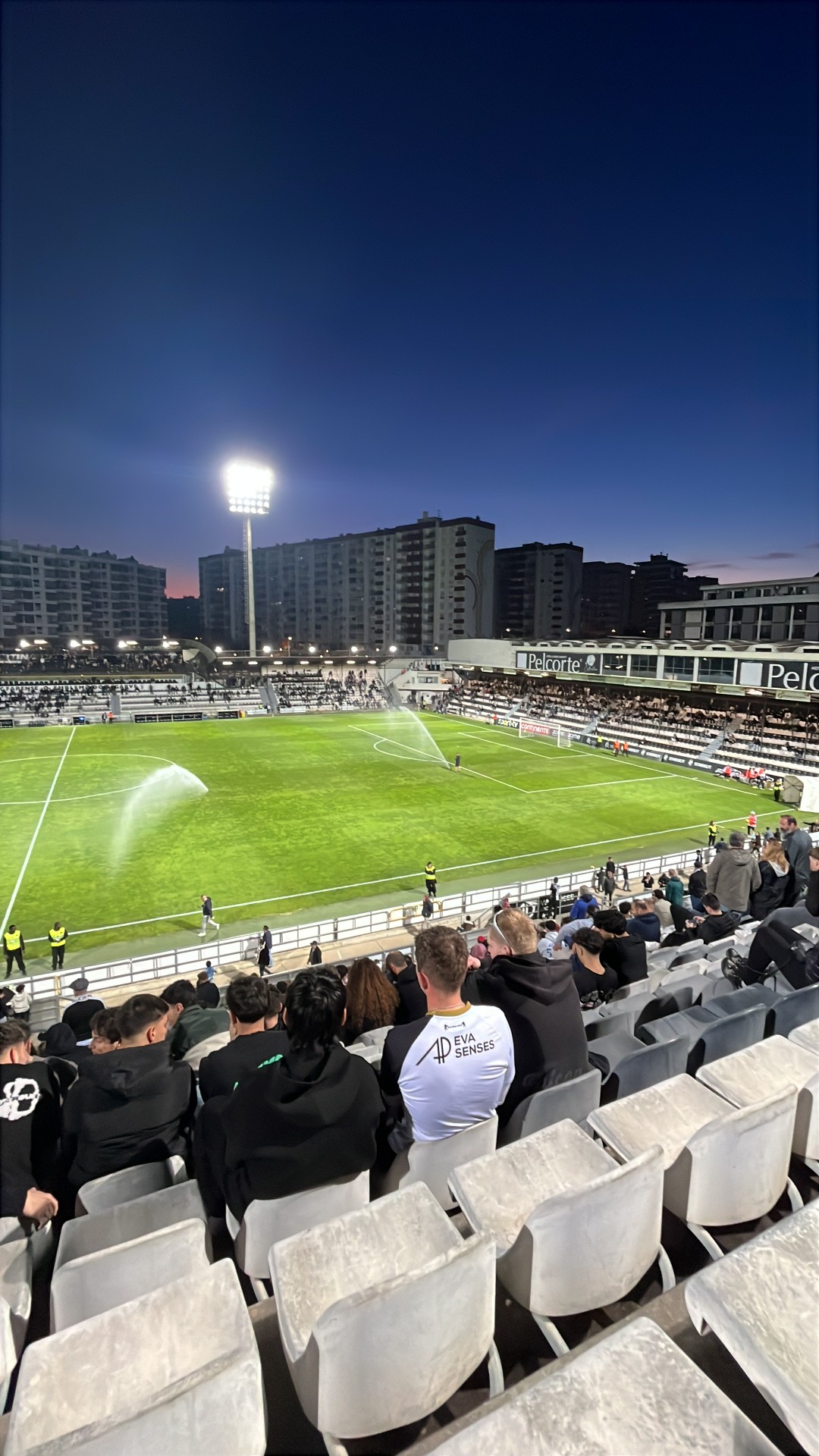
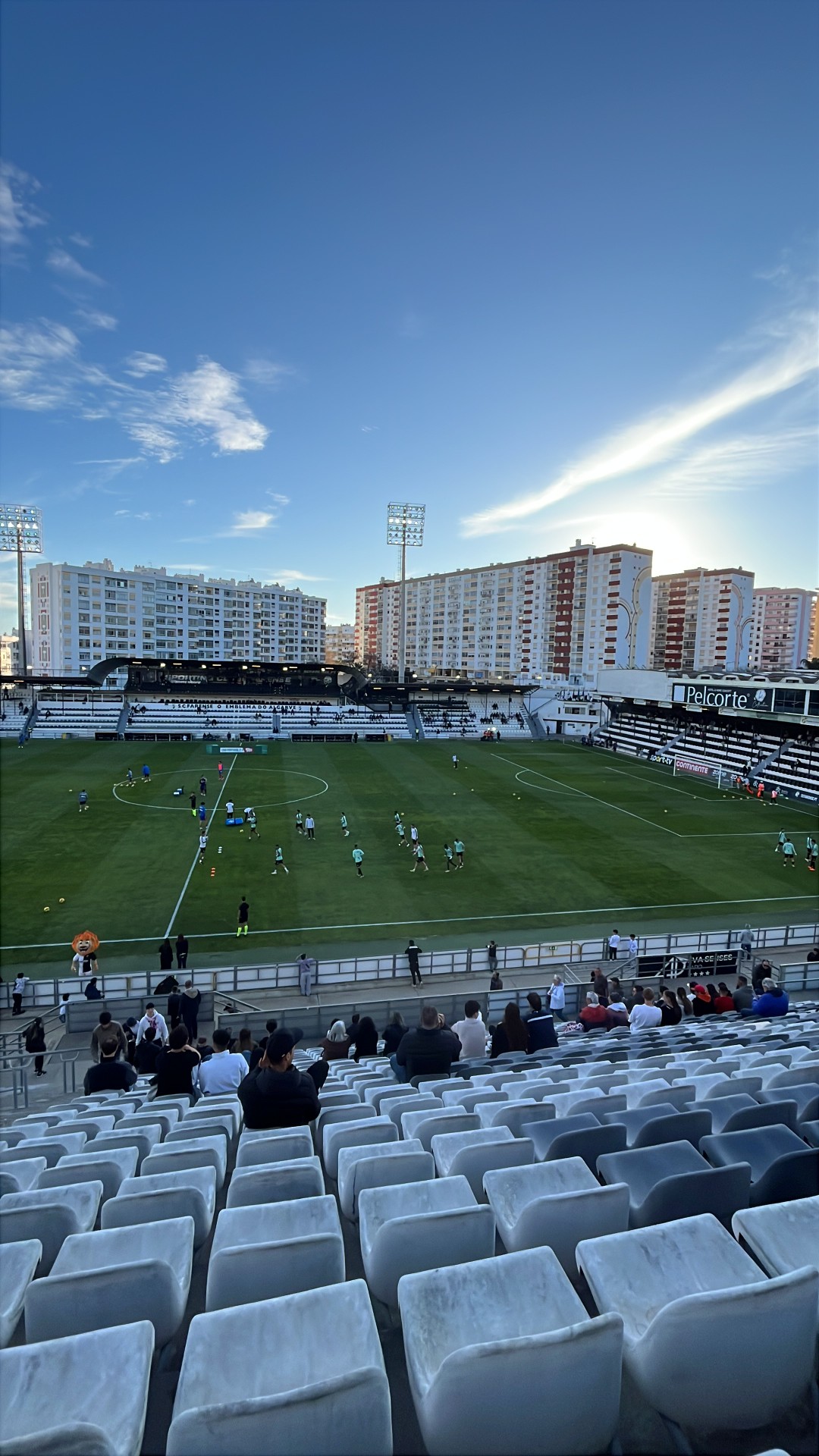
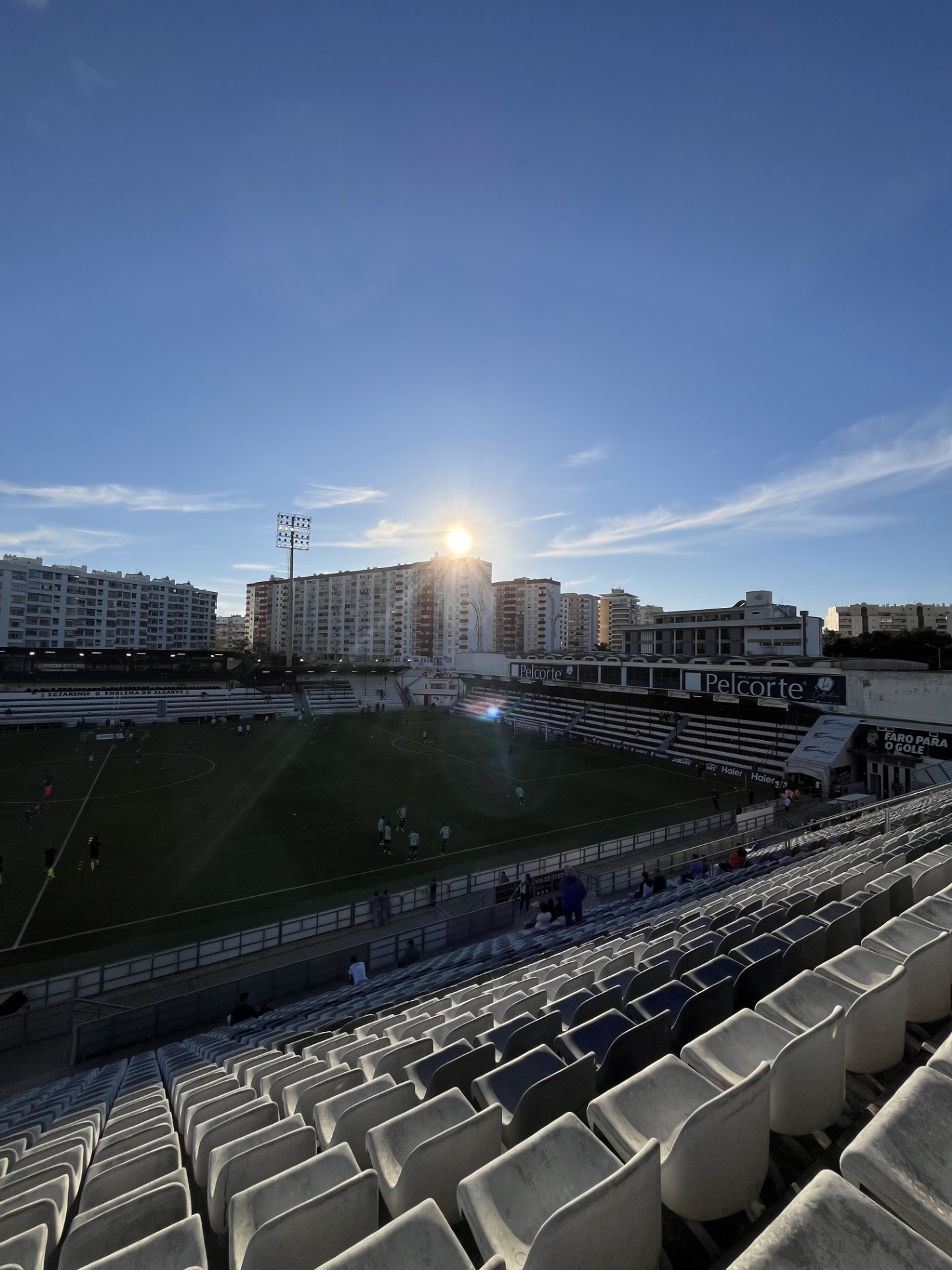
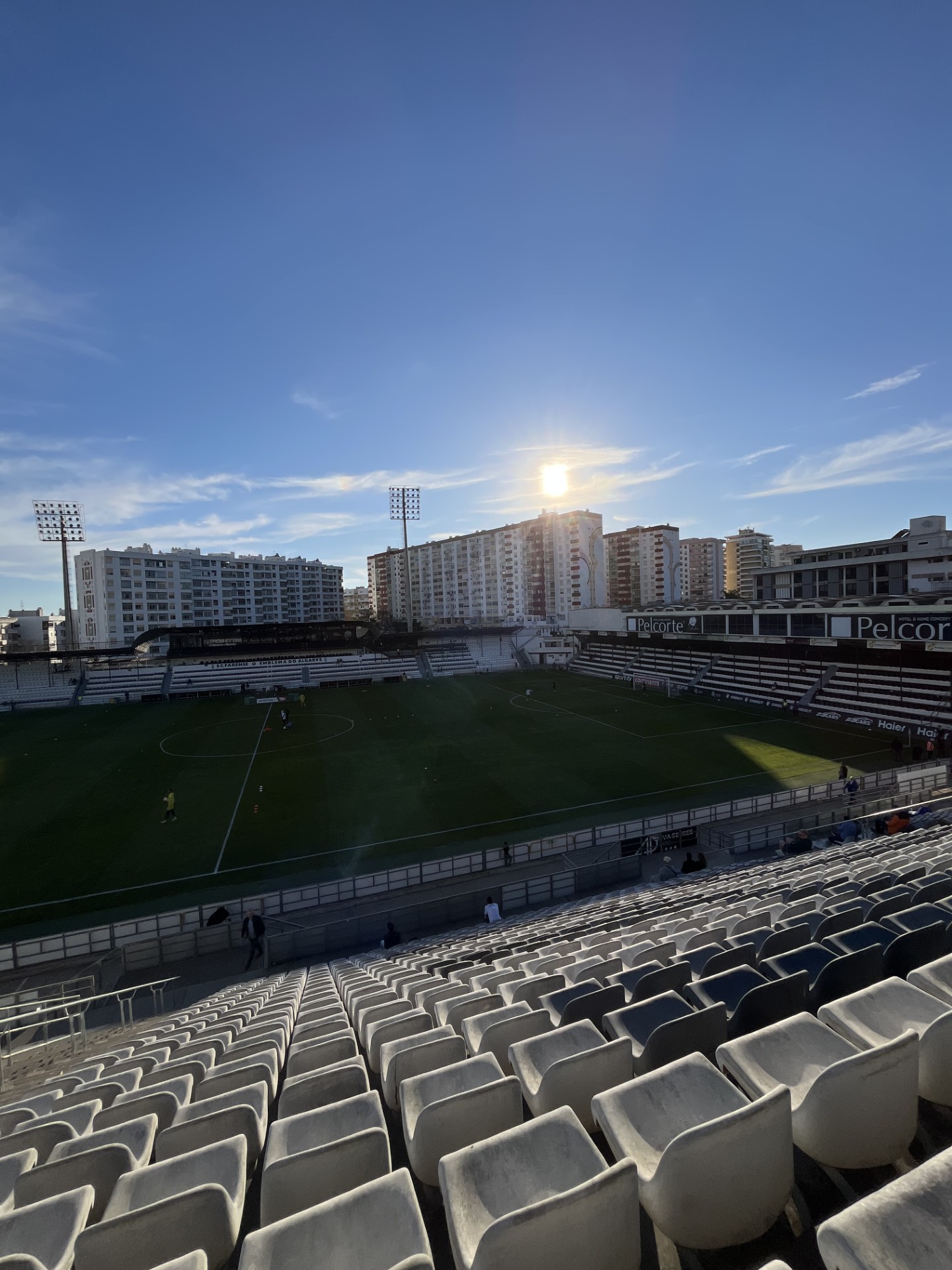
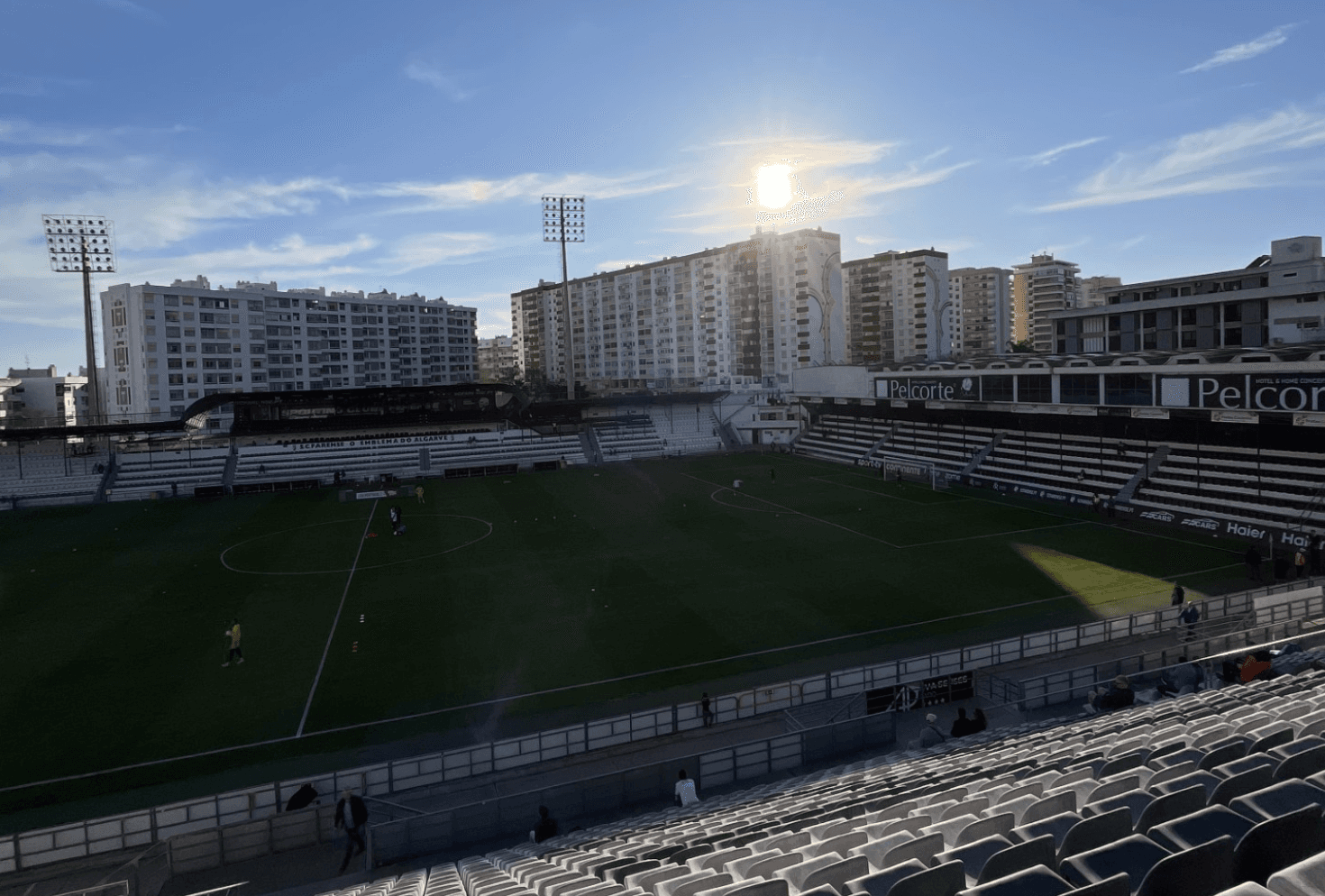
Anyone who steps into the Estádio de São Luís for the first time feels it immediately: this is not an ordinary football ground. The home stadium of SC Farense sits right in the middle of Faro, just a short walk from the church of São Luís after which it is named, and carries over a hundred years of history within its walls. The stadium was built between 1922 and 1923 by Manuel Santo, a Portuguese emigrant who had returned from the United States. In those early years it was simply known as the S
Anzeige
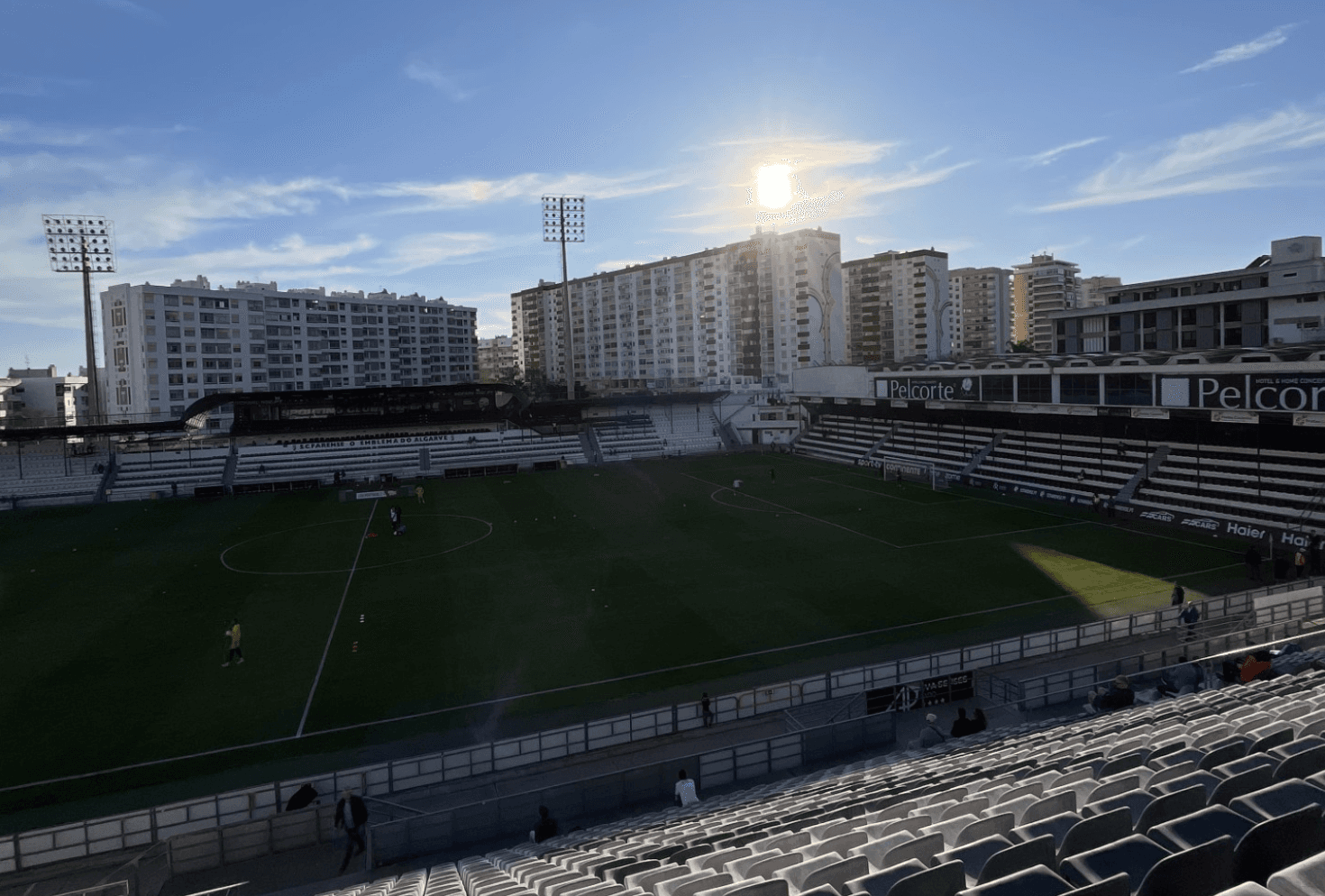
Anyone who steps into the Estádio de São Luís for the first time feels it immediately: this is not an ordinary football ground. The home stadium of SC Farense sits right in the middle of Faro, just a short walk from the church of São Luís after which it is named, and carries over a hundred years of history within its walls.
The stadium was built between 1922 and 1923 by Manuel Santo, a Portuguese emigrant who had returned from the United States. In those early years it was simply known as the Santo Stadium. It opened on 24 June 1923 with a friendly between Sporting CP and Académica de Coimbra. SC Farense itself moved in as the main tenant in 1924, following a club assembly vote to relocate home matches there.
Over the following decades, ownership changed hands several times. In 1942 the ground was sold to entrepreneur Eusébio Tomás Lopes, who in 1957 transferred it to the municipality of Faro. On 1 April 1986, the club's 76th anniversary, the city handed the stadium over to SC Farense free of charge. The club has owned it ever since.
The golden era of the São Luís came in the 1990s. Farense spent over a decade in the top flight of Portuguese football, reaching their all-time best of fifth place in the 1994/95 Primeira Liga season and qualifying for the UEFA Cup. In September 1995, the stadium hosted the club's only European match: a 0:1 defeat to Olympique Lyonnais in front of 10,500 spectators. During that period, visiting fans gave the ground the nickname "O Inferno" (the Hell), because of the intense noise and the closeness of the stands to the pitch.
To prepare for the 1991 FIFA U-20 World Cup, a large east stand was constructed. The difficult topography of the site and the surrounding road network make it impossible to expand the other three sides, so that east stand became the main addition. It is fully seated and houses retail units on the ground floor. Additional revenue was later generated by concerts at the venue, including Dire Straits in 1992 and Luciano Pavarotti in 2000.
After a long decline, Farense left the stadium in 2004 and relocated to the newly built Estádio Algarve, constructed for UEFA Euro 2004. The large, remote venue never felt like home, and in 2013 Farense returned to the São Luís following promotion to the Segunda Liga. Between 2013 and 2015 both end zones received new roofs, which were subsequently fitted with photovoltaic panels. Around 2020, the club invested over 500,000 euros into new floodlights, a new pitch, improved access points and upgraded restroom facilities.
The ground's attendance record was set on 28 April 2013, when 14,000 spectators watched SC Farense beat UD Leiria 2:1, a result that secured promotion to the Segunda Liga. The current official capacity stands at approximately 7,000 seated spectators.
The São Luís is more than a football ground. It hosts the Benção das Pastas, the graduation ceremony of the Universidade do Algarve, and has seen concerts, city festivals and cultural events over the decades. Since 2021 the main stand carries the name of Aníbal Guerreiro, the long-serving vice-president and Member Number One of SC Farense. The surrounding São Luís neighbourhood is within easy walking distance of Faro railway station and the city's main bus lines.
Anyone visiting the Algarve with a love of football should not miss a Farense home match at the São Luís. It is not a modern prestige stadium, but that is precisely its strength: a real, living place with soul, history and the unmistakable feel of southern Portuguese football.